 delishing
How to Prepare Smoked Salmon: A Culinary Guide


Smoked salmon offers a unique balance of rich, fatty flavor and subtle smoky notes. This versatile ingredient shines whether enjoyed simply or incorporated into more complex dishes. Its distinctive taste comes from the curing and smoking process, which not only preserves the salmon but also infuses it with its signature aroma.
This guide will provide you with a comprehensive understanding of smoked salmon, from selecting the best quality to mastering various preparation techniques. We'll explore different types of smoked salmon, how to properly store and handle it, and creative ways to incorporate this delicacy into your everyday cooking.
Understanding Smoked Salmon
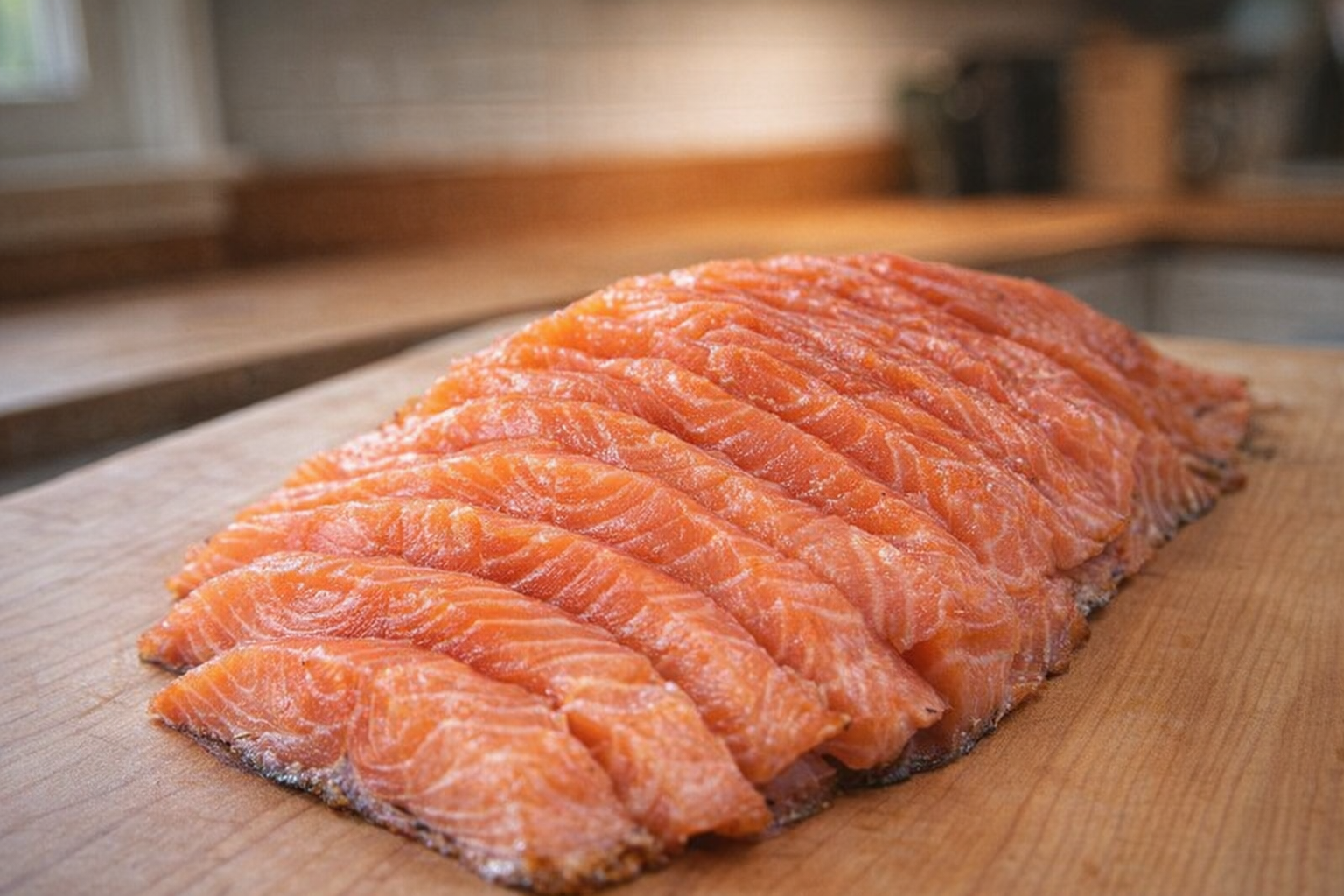
Smoked salmon isn't just one thing; it comes in several varieties, each with a slightly different flavor and texture profile. Knowing these differences allows you to choose the best type for your intended use.
- Cold-Smoked Salmon: This is the most common type. It's cured and smoked at a low temperature (below 90°F), which preserves its silky, delicate texture. Look for lox, Nova, or Scottish-style smoked salmon.
- Hot-Smoked Salmon: Smoked at a higher temperature, resulting in a firmer, flakier texture and a more intensely smoky flavor.
- Gravlax: Technically not smoked, but cured with salt, sugar, and dill. It has a distinctive, fresh flavor that pairs well with smoked salmon.
What to Buy: Opt for vacuum-sealed packages that are refrigerated properly. Check the expiration date and look for bright, vibrant color. Avoid packages with excessive liquid or a dull, brownish hue. If possible, purchase from a reputable fishmonger or deli where you can inquire about the salmon's origin and smoking process.
Why Cook with Smoked Salmon This Way?
- Versatility: Smoked salmon can be enjoyed on its own, in salads, sandwiches, pasta dishes, or as an appetizer.
- Flavor: Offers a rich, savory, and smoky flavor that elevates any dish.
- Convenience: Requires minimal cooking and is ready to eat straight from the package, making it a quick and easy option for any meal.
Preparation (Mise en Place)
Smoked salmon typically doesn't require extensive preparation, but proper handling is key to preserving its quality and flavor.
- Thawing: If frozen, thaw smoked salmon in the refrigerator overnight. Avoid thawing at room temperature to prevent bacterial growth.
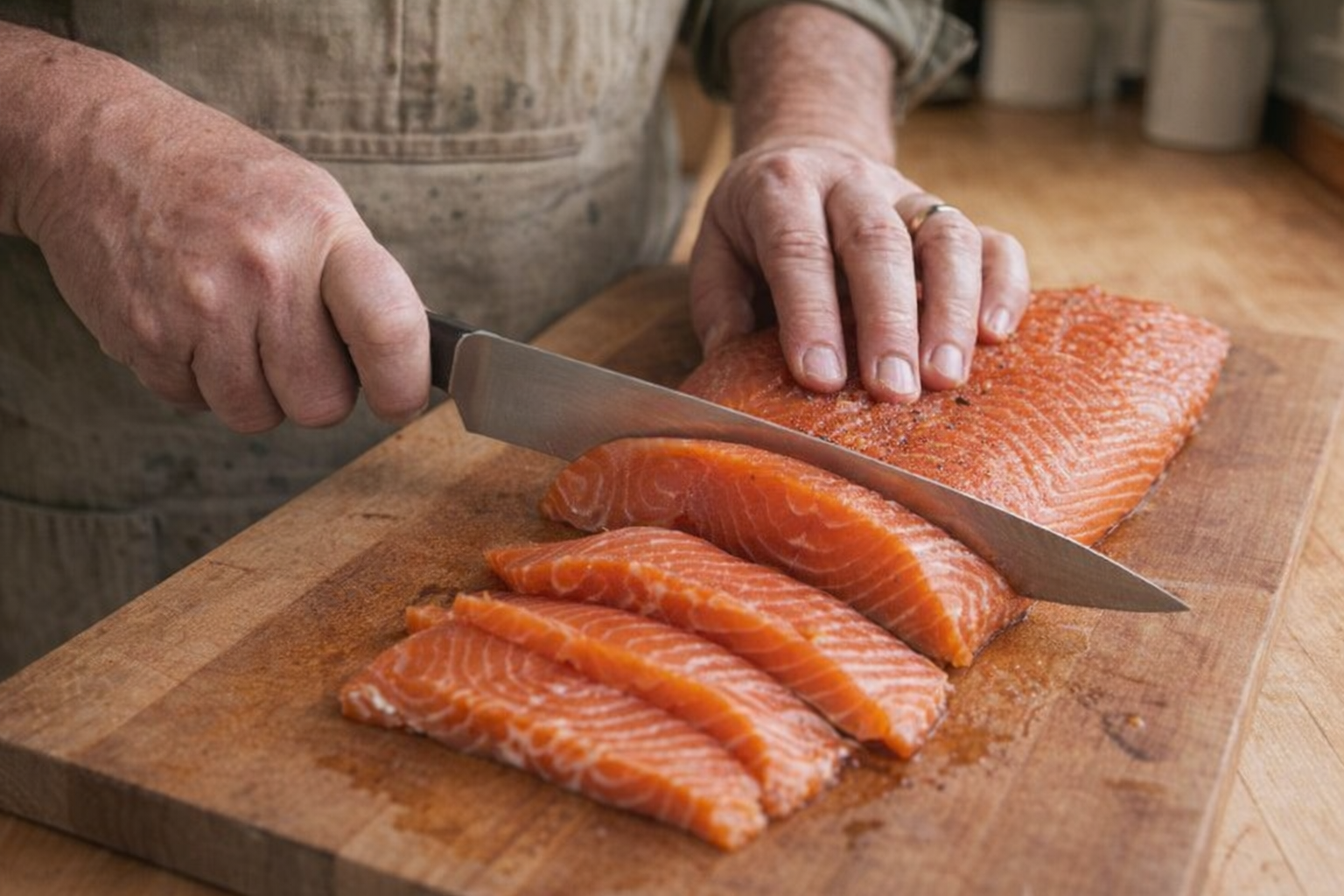
- Slicing: Depending on your recipe, you may need to slice the smoked salmon into smaller pieces or strips. Use a sharp knife to achieve clean, even cuts.
- Patting Dry: Gently pat the smoked salmon dry with a paper towel to remove any excess moisture. This will help prevent it from becoming soggy in your dish.
Essential Tools
- Sharp Knife: A sharp chef's knife or slicing knife is essential for cleanly slicing the smoked salmon.
- Cutting Board: Use a clean cutting board to prevent cross-contamination.
- Paper Towels: For patting the smoked salmon dry.
The Cooking Method(s)
Smoked salmon is generally eaten "as is" since the smoking process has already cooked the fish. However, it can be incorporated into dishes with various levels of cooking, from simple assembly to more involved techniques. Below are methods for incorporating it into different dishes.
Method 1: Simple Assembly (Salad Topping)
This method focuses on using smoked salmon as a ready-to-eat ingredient to add flavor and protein to a fresh salad.
Ingredients:
- 4 oz Smoked Salmon
- Mixed Greens, 5 oz
- Cherry Tomatoes, 1 cup
- Cucumber, 1/2, sliced
- Red Onion, 1/4, thinly sliced
- Lemon Vinaigrette, 2 tbsp (or to taste)
- Prepare the Salad Base: In a large bowl, combine the mixed greens, cherry tomatoes, cucumber, and red onion.
- Dress the Salad: Drizzle the lemon vinaigrette over the salad and toss gently to coat. The aroma of fresh greens mixing with lemon will fill the air.
- Add the Smoked Salmon: Arrange slices of smoked salmon on top of the salad. The visual contrast of the pink salmon against the vibrant greens is instantly appealing.
- Serve Immediately: Enjoy the salad while the greens are fresh and the smoked salmon is chilled.
Method 2: Incorporating into a Warm Dish (Pasta)
This method involves gently heating the smoked salmon as part of a pasta dish, adding its flavor without overcooking it.
Ingredients:
- 8 oz Pasta (e.g., fettuccine, penne)
- 2 tbsp Olive Oil
- 2 cloves Garlic, minced
- 4 oz Smoked Salmon, sliced into strips
- 1/2 cup Heavy Cream
- 1/4 cup Fresh Dill, chopped
- Salt and Pepper, to taste
- Cook the Pasta: Cook the pasta according to package directions until al dente. Drain and set aside.
- Sauté Garlic: While the pasta is cooking, heat the olive oil in a large skillet over medium heat. Add the minced garlic and sauté for about 30 seconds, until fragrant. The pungent aroma of garlic will quickly fill the kitchen.
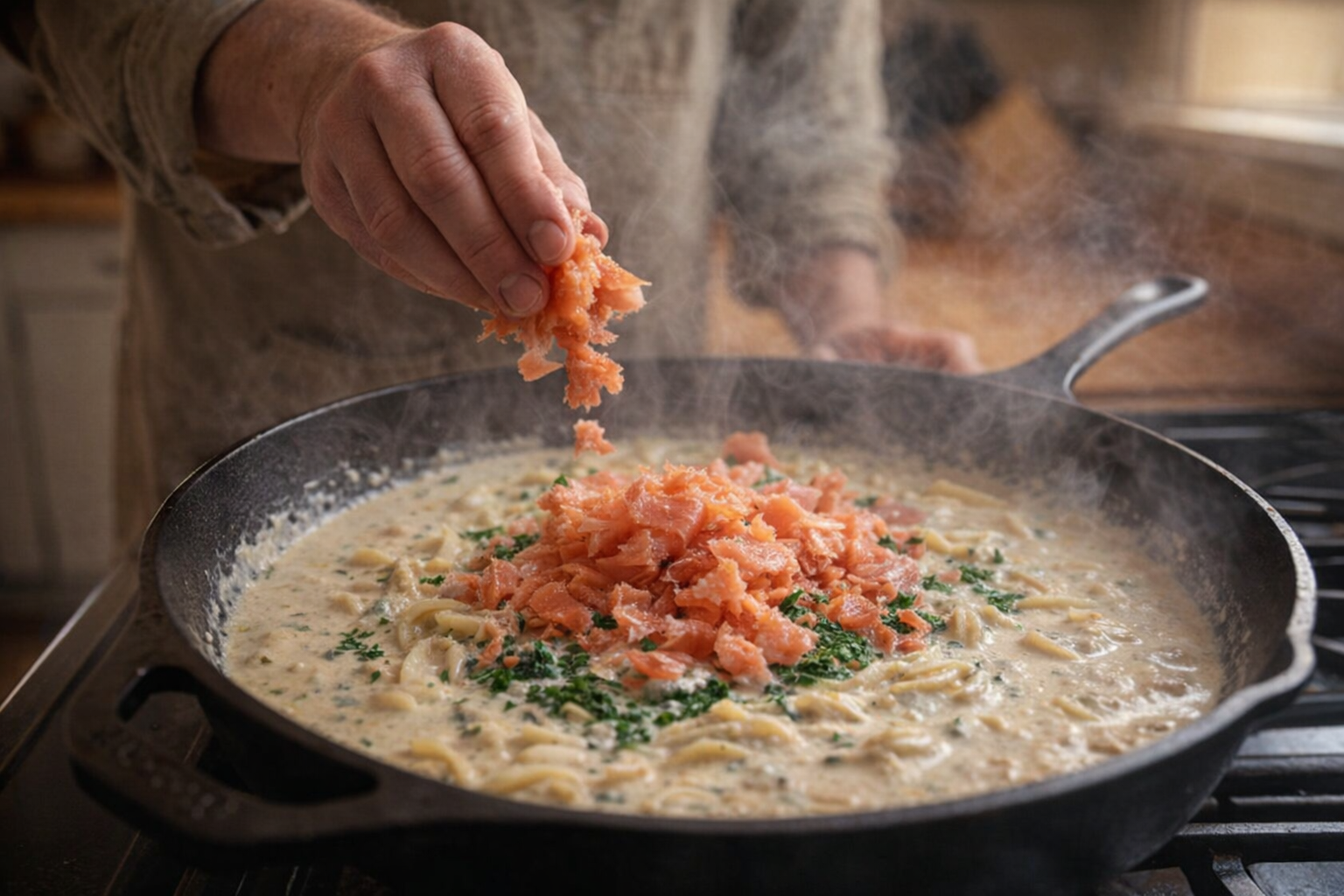
- Add Smoked Salmon and Cream: Reduce the heat to low. Add the sliced smoked salmon to the skillet and gently warm for about 1 minute. Pour in the heavy cream and stir to combine. Simmer for another 2-3 minutes, allowing the sauce to thicken slightly. The creamy sauce will coat the salmon, enhancing its richness.
- Combine Pasta and Sauce: Add the cooked pasta to the skillet with the smoked salmon cream sauce. Toss gently to coat the pasta evenly.
- Season and Serve: Stir in the fresh dill. Season with salt and pepper to taste. Serve immediately.
Cooking Time & Doneness Guide
Since smoked salmon is already cooked, the goal is not to cook it further but rather to incorporate it into dishes in a way that enhances its flavor and texture.
- Heating: If adding to a warm dish, gently heat it through without overcooking to prevent it from becoming dry or rubbery.
Visual Cues
The smoked salmon is ready when it's slightly warmed through but still retains its vibrant color and moist texture.
Tips for Perfection
- Don't Overcook: Smoked salmon is best when gently warmed or served cold. Overcooking can make it tough and dry.
- Balance Flavors: Pair smoked salmon with complementary flavors such as dill, lemon, cream cheese, or avocado.
- Quality Matters: Choose high-quality smoked salmon for the best flavor and texture.
Storage & Reheating
- Storage: Store leftover smoked salmon in an airtight container in the refrigerator for up to 3 days.
- Reheating: Reheating is not recommended, as it can dry out the salmon. It's best enjoyed cold or at room temperature.
Serving Suggestions
- Smoked Salmon Bagel: Top a toasted bagel with cream cheese, smoked salmon, sliced tomato, and red onion.
- Smoked Salmon Salad: Add smoked salmon to a mixed green salad with avocado, cucumber, and a lemon vinaigrette.
- Smoked Salmon Canapés: Serve smoked salmon on crackers or toast points with cream cheese and dill.
- Smoked Salmon Frittata: Incorporate smoked salmon into a frittata with eggs, cheese, and vegetables.
💡 Pro Tips
- Select salmon with a vibrant, uniform color and firm texture to ensure it has been properly cured and smoked.
- Remove the salmon from the refrigerator 15 minutes before serving to allow the natural oils to soften and the flavors to fully develop.
- Use a long, thin, flexible knife to cut translucent slices against the grain to achieve the best texture and presentation.
- Incorporate smoked salmon into hot dishes at the very last moment to prevent the heat from toughening the delicate protein.
- Balance the rich, fatty flavor of the fish by pairing it with acidic components like capers, lemon juice, or pickled onions.
Frequently Asked Questions
It's generally not recommended to refreeze smoked salmon after it has been thawed. Refreezing can negatively affect the texture and flavor of the salmon, making it less enjoyable to eat. It's best to use thawed smoked salmon within a day or two for optimal quality.
Look for a dull, brownish color or excessive liquid in the packaging. Also, trust your sense of smell; if the salmon has a strong, sour, or ammonia-like odor, it's likely spoiled and should be discarded. When in doubt, it's always best to err on the side of caution.
Wrap any leftover smoked salmon tightly in plastic wrap or place it in an airtight container. Store it in the refrigerator and consume it within 2-3 days to maintain its freshness and prevent spoilage. Proper storage will help preserve the flavor and texture of the salmon.
While overnight thawing in the refrigerator is ideal, you can expedite the process by placing the vacuum-sealed package in a bowl of cold water. Make sure the package is fully submerged and change the water every 30 minutes. This method can significantly reduce thawing time, but be sure to use the salmon immediately after thawing.